
BonsaiHD
Welcome to BonsaiHD, an English guide to Telugu films. Open any film for its story and press Watch now to see where it is available in your country.
Exclusive Contents
View all ›
Fidaa (2017)
2017 · Drama, Romance, Comedy · 145 min
Two young people embark on a winding and rocky path to love after meeting at a wedding.
Read more
Oopiri (2016)
2016 · Drama, Family, Romance · 158 min
Impressed by his carefree attitude, quadriplegic multi-billionaire Vikram hires a convict out on parole as his caretaker. What follows is a string of life lessons they learn from each other.
Read more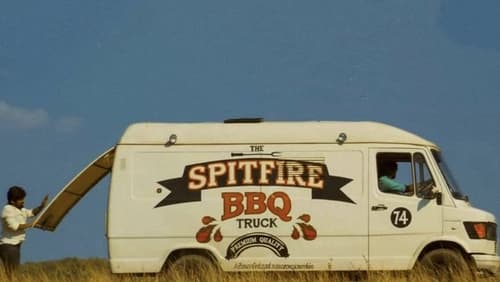
Pelli Choopulu (2016)
2016 · Romance, Comedy · 124 min
Fed up with his carefree attitude, Prasanth's father fixes his marriage to make him responsible. However, meeting an ambitious girl changes his life for the better.
Read more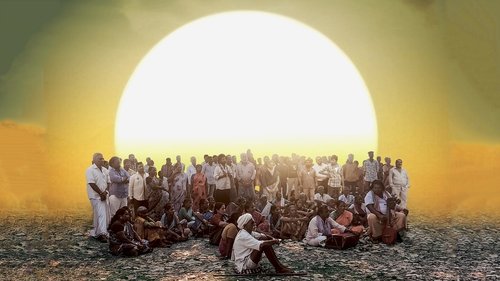
Balagam (2023)
2023 · Comedy, Drama · 131 min
A boisterous, bawdy, meddling village patriarch Komurayya’s death just before the engagement changes the course of his grandson Saayilu's life and the other family members, rattling some…
Read more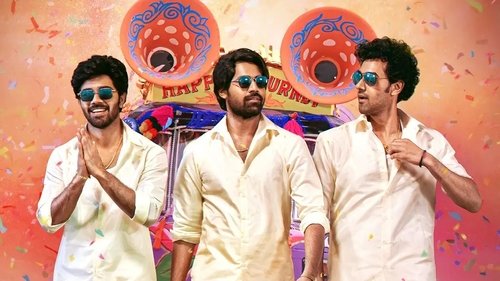
(MAD)² (2025)
2025 · Drama, Romance, Comedy · 127 min
After his wedding turns into a disaster, Laddu and his pals — Manoj, Ashok and Damodar — find themselves traveling to Goa for another wild adventure.
Read more
Hello! (2017)
2017 · Action, Family, Romance · 131 min
Avinash/Seenu is a street urchin brought up by his loving adoptive parents Saru and Prakash. The love of his life is the girl he meets during childhood Junnu/Priya, whom fate had snatched…
Read more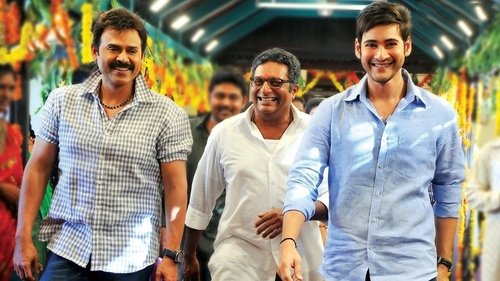
Seethamma Vakitlo Sirimalle Chettu (2013)
2013 · Family, Drama · 159 min
An exuberant and evocative family drama, that primarily revolves around the close bond between two brothers with radically different personalities, highlighting the complex process of…
Read more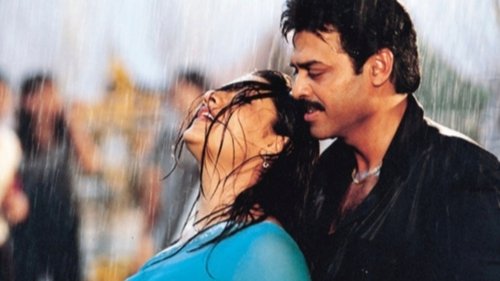
Nuvvu Naaku Nachav (2001)
2001 · Drama, Comedy, Romance · 180 min
Venky and Nandini's relationship changes from mere friendship to something that is more romantic. However, love only blossoms between the two after Nandini's marriage is fixed elsewhere.
Read more
Latest Films
View all ›




Comedy
View all ›

Family
View all ›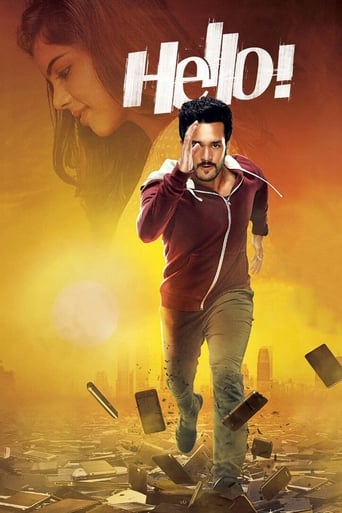

Love stories
View all ›Fantasy and spectacle
View all ›



Classics
View all ›

Browse
- Films 254
- Comedy 126
- Family 59
- Love stories 56
- Action and adventure 60
- Fantasy and spectacle 27
- Dramas 56
- Classics 56
- The 2000s 52
- The 2010s 73
- 2020 onward 73
- Top rated 27
Help pages
Telugu cinema in English: the BonsaiHD guide
BonsaiHD: Telugu films in English, from Mayabazar, Gundamma Katha and Swati Muthyam to Nuvvu Naaku Nachav, Fidaa, Oopiri, Pelli Choopulu and Balagam
Telugu cinema, made in Hyderabad and known around the world as Tollywood, is one of the largest and liveliest film industries on earth. It produces hundreds of films a year, fills theatres from Visakhapatnam to New Jersey, and has given Indian cinema some of its greatest entertainers, its most graceful classics and, in recent years, its biggest worldwide hits. Yet beyond the famous spectacles lies a treasury of comedies, family stories and gentle romances that are loved in Telugu homes and deserve a wider audience. BonsaiHD is an English guide to that treasury: 254 Telugu films, made between 1953 and 2026, each with its own page, its story in English, its year, its running time and a Watch now button that leads to the official services carrying it in your country.
The catalogue has been chosen by hand, with the site's old motto in mind: quality that matters. It gathers comedies, family entertainers, love stories, action adventures for a family evening, fantasy and folklore, thoughtful dramas and the classics of the golden age. The faction feuds, crime stories and horror films that Telugu cinema also makes belong to other guides, so every film here is one that three generations can watch together.
The sections below are a relaxed tour of Telugu cinema: how the site is laid out, the classics, the comedies, the family films, the love stories, fantasy and spectacle, the great directors and stars, the villages and towns on screen and a few plans for a first week. Each section links to a short help page, and the How to watch page sums up the simple steps from a title page to the official service.
How BonsaiHD looks
BonsaiHD keeps the clear, list-based layout of the site it is named after, with a fresh green palette inspired by its name. A slim dark green bar runs across the very top of the page with small links to My List, the help pages, the About page and the A to Z list. Below it, on a white background, sits the logo: a little bonsai tree in a dark pot, the word Bonsai in dark green and HD in bright green, with the line Quality that Matters in small grey capitals. A rounded search field stands on the right, and a green menu bar below carries the main links in white capitals: Home, Comedy, Family, Romance, Classics and A to Z. On a phone, the menu folds into a three-line button.
The home page opens with a pale green notice box holding the main heading and a line of welcome, as the original site did. Then comes the heart of the page, the Exclusive Contents list. Each film in the list has a wide picture on the left and, on the right, its title and year in bold, a grey line with the year, the genres and the running time, a short description and a green Read more button, with a thin rule between one film and the next. It is a calm, readable way to browse, closer to a magazine than to a wall of posters.
Below the list come grids of posters for the latest films and for the main shelves, comedy, family, love stories, fantasy and the classics, each under a heading with a green underline and a View all link. A pale green Browse panel lists every shelf and help page, this guide follows, and a dark green footer closes the page. The list structure, the picture size and the section titles are drawn from archived copies of the original site from 2019; its style sheets are missing from the archive, so the colours and the Nunito Sans typeface were chosen for this site. The pictures, stories and credits are new, and every part of the page works with a keyboard, a screen reader and a small phone screen.
The classics
The golden age of Telugu cinema ran from the early 1950s to the 1960s, when studios in Madras made films of great craft and charm with a company of legendary actors. The Classics shelf holds 56 films from 1953 to 1999, and the The classics help page offers a short tour.
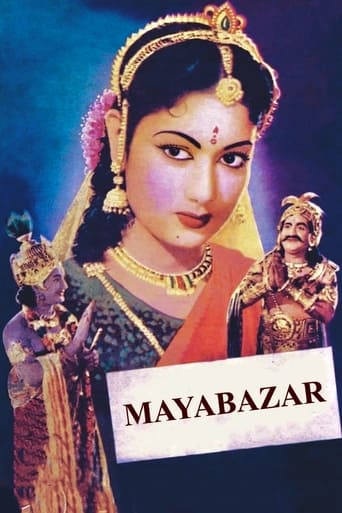
Mayabazar, from 1957, is the best-loved Telugu film of all time. Directed by K. V. Reddy, it tells a playful episode from the world of the Mahabharata, in which Krishna and the good-natured giant Ghatotkacha use magic and mischief to unite two young lovers. Its songs are sung to this day, its trick photography still delights, and its cast, with N. T. Rama Rao as Krishna, Akkineni Nageswara Rao as Abhimanyu, Savitri as Sasirekha and S. V. Ranga Rao as Ghatotkacha, is a gathering of the greatest stars of the era. The Mayabazar help page has more.
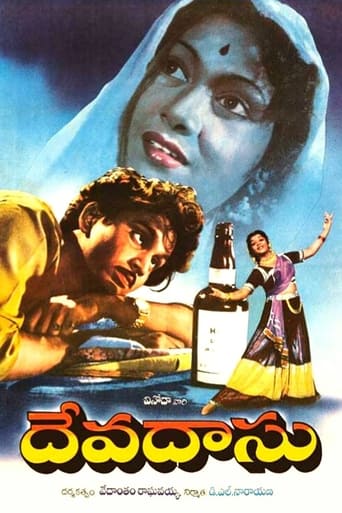
Devadasu, from 1953, is the Telugu version of the famous story of a young man who is kept from marrying his childhood sweetheart, with Akkineni Nageswara Rao and Savitri in two of their most celebrated roles. Gundamma Katha, from 1962, is a sparkling family comedy in which two brothers set out to win the daughter and the stepdaughter of a formidable widow, and it brought N. T. Rama Rao and Akkineni Nageswara Rao together on screen.
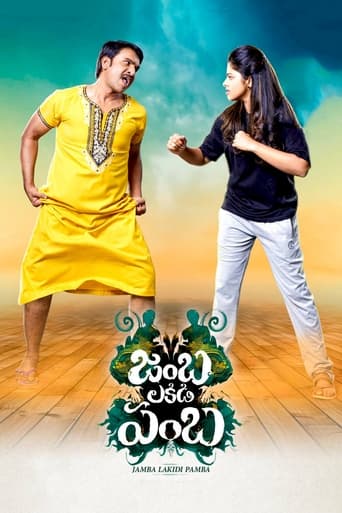
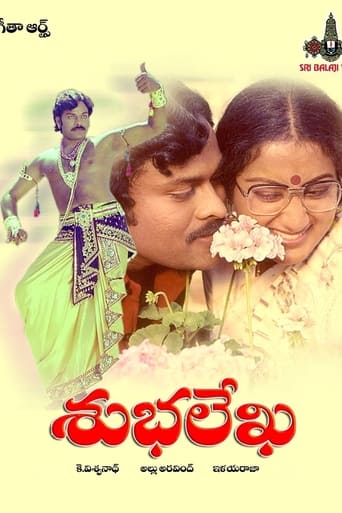
The 1980s belonged to directors with a personal style. K. Viswanath made films of great warmth about music, dance and human dignity: Subhalekha, from 1982, follows a young man who speaks out against the custom of dowry, and Swati Muthyam, from 1986, with Kamal Haasan as an innocent man who changes the life of a young widow, was chosen as India's entry for the Academy Awards. Vamsy's Ladies Tailor is a comedy about a lazy tailor who believes a fortune-teller's prediction, set in a village on the Godavari. The 1990s brought family favourites: the fantasy adventure Bhairava Dweepam, the comedies Yamaleela, Jambalakidi Pamba and Rajendrudu Gajendrudu, and Sisindri, in which a baby outwits a gang of bumbling kidnappers.
Comedies
Comedy is the heart of Telugu popular cinema, and its writers are famous for quick, quotable dialogue. The Comedy shelf holds 126 films, the largest on the site, and the Telugu comedy help page picks out a few.
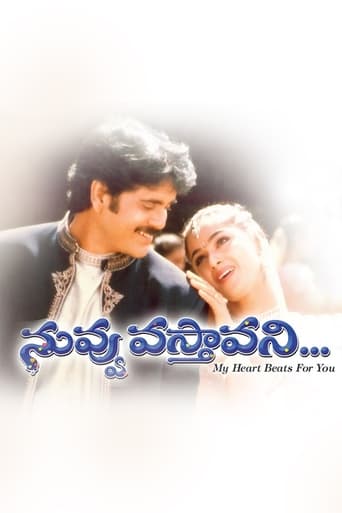
Nuvvu Naaku Nachav, from 2001, is one of the most loved comedies of its generation. Venkatesh plays a cheerful young man who comes to stay with a family friend and finds himself falling for the daughter of the house, who is about to be married; the film's dialogue, written by Trivikram Srinivas, is still quoted by fans. Manmadhudu, with Nagarjuna as an advertising man who claims to dislike women until he meets his match, and Malliswari, in which a bank clerk falls for a young woman who turns out to be an heiress in hiding, come from the same team.
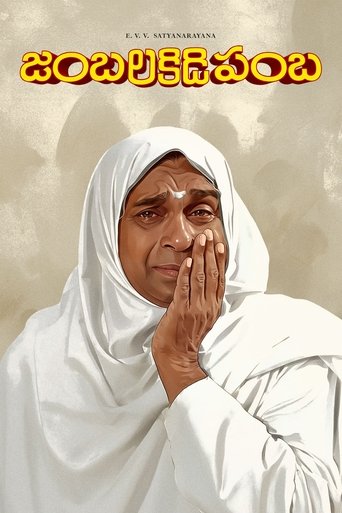
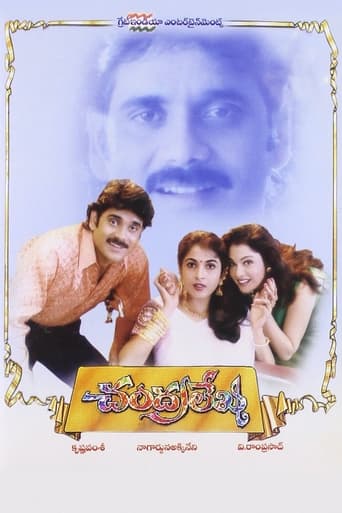
The comedies of the 1990s have a flavour of their own. Jambalakidi Pamba imagines a village in which men and women magically swap their roles, with riotous results. Yamaleela follows a young man who finds a book of the future dropped by the god Yama and his assistant, and Hanuman Junction, Chandralekha and Kshemanga Velli Labhamga Randi are family comedies that still fill living rooms with laughter.
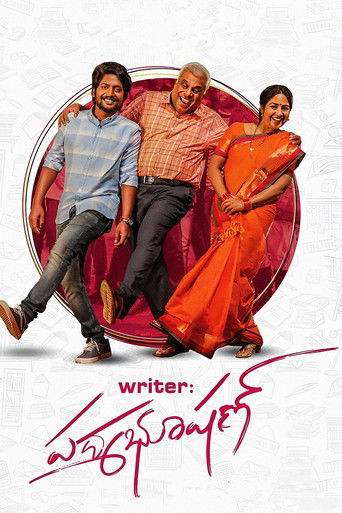
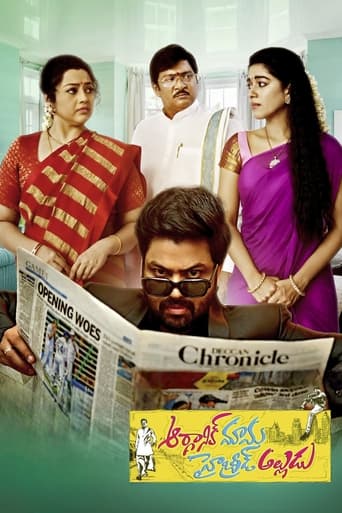
Recent years have brought a fresh, natural style. Pelli Choopulu, from 2016, begins when a young man arrives at the wrong house for an arranged-marriage meeting and ends with a food truck business and an unexpected romance; made on a small budget, it won the National Film Award for the best Telugu film. Middle Class Melodies follows a young man from a village near Guntur who dreams of opening a small restaurant in town, famous for his chutney. Writer Padmabhushan follows a young librarian who longs to be a famous author, Mem Famous follows three friends in a Telangana village, and Sankranthiki Vasthunam, from 2025, is a big festival comedy with Venkatesh. Athili Sathibabu LKG, Tenali Ramakrishna BA.BL and Organic Mama Hybrid Alludu add more light-hearted fun.
Family films
The family entertainer is a Telugu speciality: a film with comedy, songs, a little action and a strong feeling for home, made for the whole household to enjoy at festival time. The Family shelf holds 59 films, and the Family films help page offers a selection.
Seethamma Vakitlo Sirimalle Chettu, from 2013, brought two major stars, Venkatesh and Mahesh Babu, together as brothers in a gentle story about a joint family in a village, its values and its small quarrels; it revived the multi-star family film in Telugu. Brahmotsavam and Govindudu Andarivaadele continue the theme of large families and their gatherings, and Prati Roju Pandaage follows a grandfather whose family comes home to be with him.
Atharintiki Daaredi, from 2013, written and directed by Trivikram Srinivas, follows a young man who sets out to bring his estranged aunt back to the family, and it became one of the biggest hits of its time. Kalisundam Raa is another story of two families learning to live as one, and Soggade Chinni Nayana is a playful fantasy in which the spirit of a cheerful father returns to help his shy son's marriage.
Some of the finest recent films look at family life with fresh eyes. Balagam, from 2023, is set in a village in Telangana, where the death of a grandfather brings a quarrelling family together for the days of mourning; made with a cast of little-known actors, it became one of the most admired Telugu films of recent years. Oopiri, from 2016, is the story of a wealthy man who uses a wheelchair and the lively young carer who changes his life, a tale of friendship told with humour. Rangamarthanda follows a retired stage actor and his children, and Sreekaram follows a young software engineer who returns to his village to take up farming.
Love stories
Telugu cinema loves a love story, and the Love stories shelf holds 56 of them. The Love stories help page offers a few favourites.
Fidaa, from 2017, is one of the most charming. Directed by Sekhar Kammula, it follows Bhanumathi, a spirited young woman from a village in Telangana who has decided that she will stay in her home for life, and Varun, a medical student from America who visits for his brother's wedding. Sai Pallavi's lively performance, the Telangana dialect and the songs made it a huge success, and it showed that a simple, heartfelt romance could fill theatres as well as any spectacle.
Orange, from 2010, set in Sydney, follows a young man who believes that love lasts only for a while and a young woman who believes in love for ever; its music is among the most loved of its decade. Majnu follows an assistant film director who tries to impress a new friend by telling her the story of his first love, Hello! follows a young man searching for the childhood friend he lost, and Hello Guru Prema Kosame is a light romance about friendship that turns into something more.
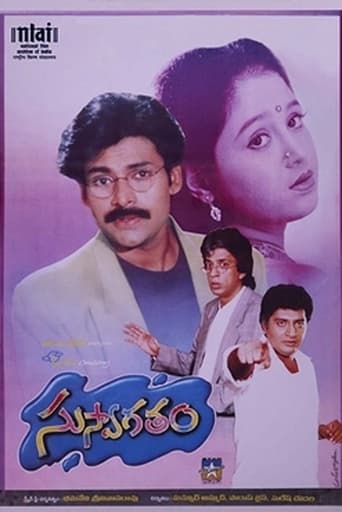
The romantic comedies are just as appealing. Shaadi Mubarak follows a young man who returns from Australia to find a bride and spends a day travelling from one meeting to the next with the daughter of a marriage broker. Swathi Muthyam follows a mild government clerk whose wedding plans are upset by a surprise from his past, Aadavaallu Meeku Johaarlu follows a bachelor whose large family of women finds fault with every match, and Ninnila Ninnila is a gentle romance set in a London restaurant kitchen. Suswagatham, from 1998, Subhakankshalu and Jayam Manadera are favourites of an earlier generation, and Godari Gattupaina, from 2026, is a love story set in the villages of the Godavari.
Action and adventure for the family
Telugu cinema is famous for its big entertainers, and the Action and adventure shelf holds 60 films chosen for their fun and their heart. The Action and adventure help page picks out a few.
Maryada Ramanna, from 2010, directed by S. S. Rajamouli, is a perfect example. A good-natured young man returns to his ancestral village to sell a piece of land and discovers that his host's family has sworn to settle an old score with his, but the rules of hospitality protect him for as long as he remains a guest inside their house. The film turns this idea into an inventive comedy of escapes, and it was later remade in several other languages.
Golconda High School, from 2011, follows a school whose cricket team was once the best in the city and the former student who returns as coach to win back its ground and its pride; it is one of the best sports films in Telugu. Adhurs is an action comedy about twin brothers raised apart, Pilla Zamindar follows a spoiled young heir who must live as an ordinary student to earn his inheritance, and Annayya stars Chiranjeevi as an elder brother devoted to his family. Chintakayala Ravi and Dubai Seenu are comedies of heroes who dream of life abroad.
Fantasy and spectacle
From its earliest days, Telugu cinema has excelled at fantasy: tales of kings, magicians, celestial beings and enchanted forests, told with songs and special effects. The Fantasy and spectacle shelf holds 27 films, and the Fantasy and spectacle help page offers a tour.
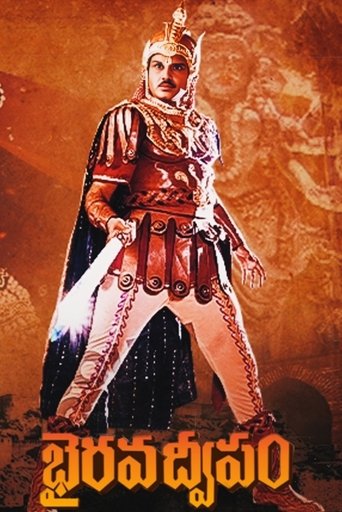
Mayabazar is the foundation, a film whose visual tricks, from a feast whose dishes move by magic to a box that shows each viewer what they love most, were created entirely in the camera. Bhairava Dweepam, from 1994, directed by Singeetam Srinivasa Rao, is a folklore adventure about a young man raised in a village who discovers his royal birth and sets out to rescue a princess from a sorcerer; it is a favourite with children.
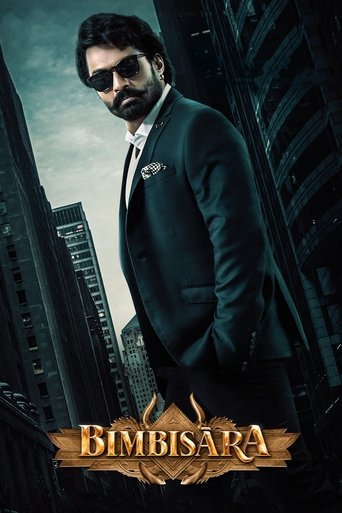
Modern effects have given the genre new life. Once Upon a Warrior, from 2011, follows a blind swordsman who protects a child with healing powers, and it was made in partnership with Disney. Bimbisara, from 2022, sends a proud ancient king forward in time to the present day, where he learns humility, and Shaakuntalam retells the classical Sanskrit play about Shakuntala and King Dushyanta. Oh! Baby is a fantasy of a gentler kind, in which a seventy-year-old grandmother finds herself twenty-four again and chases the dreams she once gave up, and Yamaleela and Soggade Chinni Nayana bring visitors from the other world into family comedies.
A short history of Telugu cinema
The first Telugu talking film, Bhakta Prahlada, was released in 1932, less than a year after sound came to Indian cinema. For the next four decades, most Telugu films were made in the studios of Madras, where producers such as Vijaya Productions built a tradition of careful craftsmanship: strong scripts, memorable music and ensembles of actors who worked together for years. Devadasu, Mayabazar and Gundamma Katha all come from this golden age.
Two stars towered over the period. N. T. Rama Rao, known as NTR, was famous for playing gods and kings, above all Krishna and Rama, and later became Chief Minister of Andhra Pradesh. Akkineni Nageswara Rao, known as ANR, was the great romantic and dramatic lead, and he later helped to move the industry to Hyderabad by founding a studio there. Alongside them stood Savitri, revered as one of the finest actresses in Indian cinema, and the commanding S. V. Ranga Rao.
From the 1970s, the industry settled in Hyderabad, and a new generation arrived. Chiranjeevi became the biggest star of the 1980s and 1990s, with his dancing, his comic timing and his ease in every kind of film, and directors such as K. Viswanath, Bapu, Vamsy and Jandhyala made films of great individuality. The 1990s and 2000s were the age of the family entertainer and the youthful romance, with stars such as Venkatesh, Nagarjuna, Pawan Kalyan and Mahesh Babu.
In the last fifteen years, Telugu cinema has reached the whole world. The spectacles of S. S. Rajamouli were seen on every continent, and the industry's technical skill is now admired everywhere. At the same time, a quieter revolution has taken place: young directors making small, personal films about ordinary lives, such as Pelli Choopulu, Middle Class Melodies and Balagam, have won audiences and awards, and they have widened the idea of what a Telugu film can be.
Great directors
Telugu cinema has always been a director's medium, and a few names are worth knowing. The Great directors help page offers a short introduction.
K. V. Reddy, the director of Mayabazar, was a perfectionist who planned every shot, and his films are models of storytelling. K. Viswanath, who made Subhalekha and Swati Muthyam, built his films around Indian classical arts and around characters of great goodness; he received the Dadasaheb Phalke Award, the highest honour in Indian cinema. Singeetam Srinivasa Rao, the director of Bhairava Dweepam, is known for his love of experiment, and Vamsy, who made Ladies Tailor, for his affectionate comedies of village life along the Godavari.
S. V. Krishna Reddy, who made Yamaleela and Rajendrudu Gajendrudu, and E. V. V. Satyanarayana, who made Jambalakidi Pamba, were the kings of family comedy in the 1990s. Trivikram Srinivas, first a writer and then a director, is celebrated for the wit of his dialogue in films such as Nuvvu Naaku Nachav and Atharintiki Daaredi. S. S. Rajamouli, now famous around the world, showed his gift for inventive entertainment in Maryada Ramanna.
Among the newer names, Sekhar Kammula makes gentle, realistic films such as Fidaa; Tharun Bhascker brought a fresh voice with Pelli Choopulu; Nandini Reddy directed Oh! Baby; and Venu Yeldandi, a comedian turned director, made Balagam. Each has shown that a strong story, told simply, can win a large audience.
Stars of the screen
Telugu audiences have a special bond with their stars, and fans celebrate each new release like a festival. Venkatesh, the star of Nuvvu Naaku Nachav, Malliswari, Seethamma Vakitlo Sirimalle Chettu and Sankranthiki Vasthunam, is the favourite of family audiences, and his comedies are watched again and again. Nagarjuna, the lead of Manmadhudu, Oopiri and Soggade Chinni Nayana, has moved with ease between romance, comedy and drama for four decades.
Among the younger actors, Nani is loved for his natural style in films such as Majnu and Nenu Local, Sai Pallavi became a star with Fidaa, Samantha leads Oh! Baby and Shaakuntalam, and Vijay Deverakonda first won attention in Pelli Choopulu. The comedians deserve a place of honour too: Brahmanandam, Ali, Sunil and many others have brightened hundreds of films, and Sunil plays the lead in Maryada Ramanna.
Stories retold
Good stories travel, and Telugu filmmakers have a talent for adapting them to their own culture. The Stories retold help page gathers a few examples.
Oopiri retells a celebrated French film about the friendship between a wealthy man who is paralysed and the cheerful young man hired to look after him; the Telugu version, set between Hyderabad and Paris, adds songs and a great deal of warmth. Oh! Baby comes from a Korean comedy about a grandmother who becomes young again, and it fits the Telugu family film so well that it feels entirely local. Rangamarthanda retells a famous Marathi drama about a retired Shakespearean actor who divides his property between his children, and Gopala Gopala is a comedy about a shopkeeper who takes an unusual case to court. Sisindri gives a Telugu twist to the story of a clever baby and a gang of kidnappers.
The traffic runs the other way as well. Maryada Ramanna was remade in Hindi, Tamil, Kannada, Bengali and Malayalam, and many of the family comedies on BonsaiHD have been retold in other Indian languages. Viewers who know those versions will enjoy discovering the originals.
Villages and towns on screen
The Telugu-speaking states of Andhra Pradesh and Telangana are rich in landscapes, dialects and customs, and the best films capture them with affection. The Villages and towns help page offers a tour.
Telangana, with its own dialect, its Bathukamma flower festival and its red-earth villages, is the setting of Fidaa, Balagam and Mem Famous; for many years its speech was heard on screen mainly in comic roles, and these films gave it the place of honour. The Godavari delta, with its coconut groves and wide river, is the home of Ladies Tailor, Seethamma Vakitlo Sirimalle Chettu and Godari Gattupaina, and its people are famous for their hospitality and their teasing humour. Middle Class Melodies is set in Guntur, a town known for its chillies, and Sreekaram in the farming country of the south.
Hyderabad, the capital of the film industry, appears in Pelli Choopulu and dozens of other comedies, with its mix of old city lanes and new technology parks, and the Telugu families of America, Australia and Britain appear in The American Dream, Orange and Shaadi Mubarak. Watching these films is a journey through a whole culture, from the rice fields to the world.
Festivals and food
Festivals are the great occasions of Telugu family life, and the film industry saves its biggest family entertainers for them. Sankranti, the harvest festival in January, is the most important: families gather in their home villages, kites fill the sky, and the cinemas are full. Sankranthiki Vasthunam takes its very name from the festival, and Seethamma Vakitlo Sirimalle Chettu and Soggade Chinni Nayana were Sankranti releases that families still watch every year.
Food is part of the pleasure. The wedding feast song of Mayabazar is one of the most famous scenes in Indian cinema, Middle Class Melodies is built around a young man's pride in his chutney, Pelli Choopulu ends with a food truck, and Ninnila Ninnila is set among the chefs of a London restaurant. Telugu cuisine, with its spicy pickles and its love of rice, appears in dozens of scenes, and many viewers finish these films feeling hungry.
The comedians
If Telugu cinema has a secret, it is its comedians. For decades, a company of comic actors has appeared in film after film, and audiences cheer their entrance as loudly as the hero's. Brahmanandam holds a world record for the number of films in which he has acted, well over a thousand, and his expressions alone can set a theatre laughing. Ali, who began as a child actor, played the lead in Yamaleela and has brightened hundreds of comedies since, and Rajendra Prasad, the star of Ladies Tailor and Rajendrudu Gajendrudu, built a whole career as a comic hero.
Sunil moved from comic sidekick to leading man in Maryada Ramanna, and writers such as Trivikram Srinivas created comic scenes for Nuvvu Naaku Nachav and Malliswari that fans know by heart. In the classics, the formidable Suryakantham made the scolding mother-in-law a beloved figure in Gundamma Katha, and Relangi and Ramana Reddy filled the films of the 1950s with gentle humour. Their work is the reason Telugu family films can be watched again and again.
Heroines to remember
Telugu cinema has given India some of its finest actresses, and many of the films on BonsaiHD belong to them. Savitri, the heroine of Devadasu, Mayabazar and Gundamma Katha, could move from comedy to tragedy within a single scene, and she is still spoken of with reverence. Raadhika gives a quiet, dignified performance as the young widow of Swati Muthyam, and Soundarya, the best-loved actress of the 1990s, appears in Annayya.
The newer films give their heroines the centre of the stage. Sai Pallavi's Bhanumathi in Fidaa is funny, proud and entirely her own person; Samantha plays a grandmother in a young woman's body in Oh! Baby and the forest-born heroine of Shaakuntalam; and Ritu Varma's determined entrepreneur in Pelli Choopulu is the one with the plan. Aadavaallu Meeku Johaarlu fills the screen with a hero's mother, aunts and cousins, and Jambalakidi Pamba, long ago, imagined a world in which the women took charge.
Telugu stories abroad
Telugu families live all over the world, especially in the United States, and the cinema has followed them. Orange is set in Sydney, Ninnila Ninnila in London and parts of Oopiri in Paris; The American Dream follows a young man who goes to the United States in search of success, and Shaadi Mubarak follows another who comes home from Australia to marry. Fidaa turns on a question that many families know well: whether to stay in the village or to follow a loved one overseas.
These films are popular with the Telugu diaspora, for whom a new release is a community event, and the Watch now button on every title page shows where each film can be seen in your country. For children growing up abroad, they are a cheerful way to hear Telugu spoken and to see their parents' culture on screen.
Awards and recognition
Many of the films on BonsaiHD have been honoured at home and abroad. Swati Muthyam won the National Film Award for the best Telugu film and was India's entry for the Academy Awards. Pelli Choopulu won National Film Awards for the best Telugu film and for its dialogue, a rare honour for a small first film, and Balagam won prizes at festivals around the world. Mayabazar was voted the greatest Indian film of all time in a national poll held for the centenary of Indian cinema.
Awards are only one measure of a film, but they show the respect in which the best of Telugu cinema is held. The Top rated shelf gathers the films that viewers themselves rate most highly, and it is a rewarding place to browse on a quiet evening.
Farms, food and small businesses
A warm strand of recent Telugu cinema is about ordinary work done with pride. Sreekaram follows a young software engineer who gives up his city job to return to his village and bring new ideas to farming, and it speaks to many families whose roots are in the land. Middle Class Melodies follows a young man who is certain that his chutney is good enough to build a business on, and Pelli Choopulu shows two young people starting a food truck with more enthusiasm than experience.
Writer Padmabhushan is about the courage it takes to follow an unusual dream, and Stand Up Rahul about finding a voice. Older films tell similar stories in their own way: the lazy hero of Ladies Tailor learns that luck is a poor substitute for effort, and the proud young heir of Pilla Zamindar learns the value of friendship and hard work as an ordinary student. These are encouraging films, popular with young viewers who are making their own first decisions about study and work, and with parents who remember making theirs.
They also show how much Telugu cinema has widened its view. Alongside the kings, heroes and festival entertainers, there is now room for small stories about small towns, told with humour and respect, and audiences have welcomed them warmly. The shelves of BonsaiHD hold both kinds, side by side, so that every viewer can find a film to suit the evening.
A good way to explore is to choose one small film and one big one each week: a village comedy on a weekday evening, when a short, gentle story suits the mood, and a festival entertainer at the weekend, when the whole family is at home and ready for songs, colour and laughter. In a month you will have seen eight films, and you will understand why Telugu audiences love both.
Songs and music
A Telugu film is half music. Songs carry the romance, the comedy and the emotion of the story, and the best of them outlive the films they were written for. The golden age had the composer Ghantasala, whose voice and melodies are part of every Telugu childhood; the songs of Mayabazar, Devadasu and Gundamma Katha are still sung at weddings and on the radio.
K. Viswanath's films, with music by K. V. Mahadevan and Ilaiyaraaja, drew on Carnatic classical music and made it popular with a wide audience; the songs of Swati Muthyam are among the most loved of the 1980s. In the decades that followed, composers such as M. M. Keeravani, Mani Sharma, Devi Sri Prasad and S. Thaman gave each generation its favourite tunes. The melodies of Orange, Fidaa and Atharintiki Daaredi were hits far beyond the films themselves, and a folk-style song from Fidaa became one of the most watched Telugu songs online.
The newer village films have brought folk music back to the centre. Balagam uses the traditional songs of Telangana, sung by local performers, to tell its story, and its final ballad moved audiences to tears in theatres and at open-air screenings across the state. For listeners who are new to Telugu music, the soundtracks of the films on BonsaiHD are a wonderful place to begin.
Thoughtful dramas
Alongside the entertainers, Telugu cinema makes quiet, serious films of great feeling, and the Dramas shelf holds 57 of them. Swati Muthyam is the classic example, a story of innocence and kindness told with deep respect for its characters. Needi Naadi Oke Katha, from 2018, follows a cheerful student who has little interest in his studies and a father, a respected teacher, who struggles to understand him; it speaks honestly to families about the pressure of examinations.
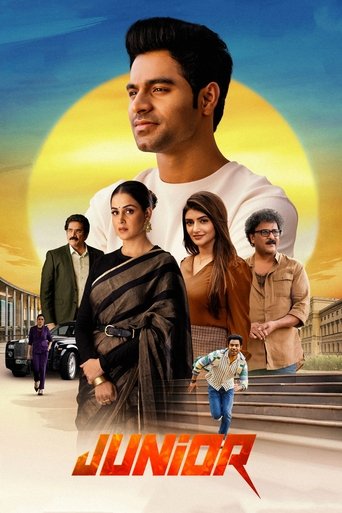
Gamanam follows several people across Hyderabad during a season of floods, Junior follows a young man who leaves home to escape his father's anxious love and slowly learns to understand it, and Rangamarthanda is a moving portrait of an old actor and the stage he loved. These are films to watch slowly and to talk about afterwards, and they show the range of an industry too often known only for its spectacles.
Friends and first jobs
Many recent Telugu films are about young people finding their way, and they are among the freshest on the site. Pelli Choopulu follows an easy-going young man with a talent for cooking and an ambitious young woman with a business plan. Hushaaru follows four engineering graduates who have little idea what to do next and stay together through every setback, and Mem Famous follows three friends in a village who decide to make a name for themselves.
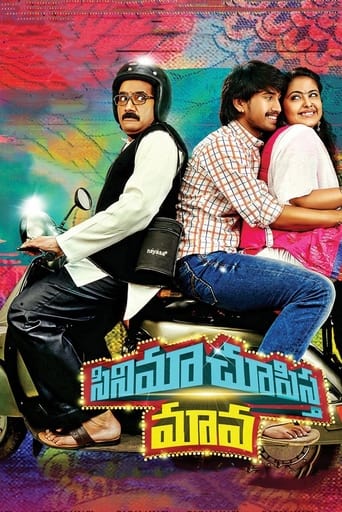
Stand Up Rahul follows a young man who dreams of performing comedy, Writer Padmabhushan a librarian who dreams of being an author, and Neninthe an assistant director who dreams of making his own film. The American Dream follows a young man who goes abroad in search of success, and Cinema Chupista Maava is a comedy about a carefree student and the strict father of the girl he loves. These films are funny and honest about ambition, friendship and family expectations, and they are popular with students and young professionals.
Through the decades
BonsaiHD covers more than seventy years of Telugu cinema, and the decade shelves show how it has changed. The Through the decades help page offers a quick tour.
The Classics shelf gathers the films made up to 1999, from the black-and-white masterpieces of the 1950s to the family comedies of the 1990s. The 2000s shelf holds 55 films from the age of the youthful romance and the family entertainer, with Nuvvu Naaku Nachav, Manmadhudu and Malliswari. The 2010s shelf holds the decade in which Telugu cinema reached the world, with Maryada Ramanna, Atharintiki Daaredi, Pelli Choopulu, Oopiri and Fidaa. The 2020 onward shelf gathers the newest films, from Middle Class Melodies and Balagam to the releases of 2026. The Top rated shelf collects the films that viewers rate most highly.
Picks by age
Telugu cinema has films for every member of the family, and the Picks by age help page sums up a few choices.
For children, Sisindri, with its clever baby, Mayabazar, with its magic and its giant, and Bhairava Dweepam, with its princes and sorcerers, are full of fun and wonder. For teenagers, Golconda High School, Pelli Choopulu, Mem Famous and Hushaaru are about sport, friendship and first ambitions. For grown-ups, Swati Muthyam, Balagam, Oopiri and Rangamarthanda are thoughtful stories that stay in the mind. And for everyone together, a Venkatesh comedy such as Nuvvu Naaku Nachav is the safest choice of all.
A perfect first week
If you are new to Telugu cinema, here is a simple plan for a first week. On Monday, watch Mayabazar and see where it all began. On Tuesday, laugh with Nuvvu Naaku Nachav. On Wednesday, visit a Telangana village with Fidaa. On Thursday, share the friendship of Oopiri. On Friday, enjoy the escapes of Maryada Ramanna. At the weekend, watch Pelli Choopulu with the younger members of the family and Balagam with the elders.
A second week could follow a theme: a K. Viswanath classic such as Swati Muthyam, a fantasy such as Bhairava Dweepam, a family entertainer such as Seethamma Vakitlo Sirimalle Chettu, a small-town comedy such as Middle Class Melodies and a sports film such as Golconda High School. By the end of the fortnight you will know the main colours of Telugu cinema.
A festival Sunday
One of the pleasures of Telugu cinema is that it brings generations together. On a festival Sunday, the grandparents can choose a classic they first saw in a single-screen theatre, perhaps Gundamma Katha or Devadasu, and tell the family about the stars of their youth. The parents can follow with a favourite from the 1990s or 2000s, Yamaleela or Manmadhudu, and the children can finish the day with Sisindri or Oh! Baby. My List makes it easy to plan such a day in advance, and every title page shows the running time, so the timing works out between meals.
Learning Telugu with films
Telugu is spoken by more than eighty million people and is often called the Italian of the East for its musical sound, since almost every word ends in a vowel. Films are a pleasant way to hear it. The family comedies use clear, everyday speech, the village films introduce the dialects of Telangana, the Godavari districts and Rayalaseema, and the classics preserve an elegant, literary Telugu that is a joy to listen to.
Many services offer English subtitles, and every title page on BonsaiHD gives the original Telugu title alongside the English one. Viewers who know Hindi will recognise many words of Sanskrit origin, and those who know Tamil or Kannada will find much that is familiar. Comedies such as Pelli Choopulu, with their natural conversation, are an ideal place to begin.
Finding a title
BonsaiHD offers several ways to find a film. The search field beside the logo finds titles as you type; the green menu opens the main shelves; and the A to Z list shows every title in alphabetical order. The Finding a title help page has more tips.
Some titles have been used more than once, so the year on each page tells them apart: there are two films called Devadasu, from 1953 and 2006, and Swati Muthyam from 1986 is quite different from Swathi Muthyam from 2022. The Browse panel on the home page lists every shelf with the number of films it holds, from the 254 titles of All titles to the smaller themed shelves.
My List
My List keeps the films you want to watch. Add a film from its page, and it appears in the list that opens from the link in the top bar. The list lives in this browser, so it opens instantly, and it can be exported to a small file and imported on another device, such as the family television. The My List help page explains each step.
Many families keep more than one list: one for Sankranti, one for Ugadi, the Telugu New Year, and one for the long summer holidays. A shared list is a lovely way for grandparents, parents and children to choose together.
Why Telugu cinema matters
Telugu cinema matters because it has always kept faith with its audience. From the golden age to the present, its makers have believed that a film should send people home happy, with a song on their lips and something to talk about, and that belief has produced an extraordinary body of work: comedies of great wit, family stories of real feeling and fantasies of wonderful invention.
For Telugu families around the world, these films are a link with home and a way to share the language, the festivals and the humour of the Telugu states with children growing up far away. For everyone else, they are an open door to one of the great film cultures of the world, and BonsaiHD is here to help you walk through it.
About BonsaiHD
BonsaiHD is an independent English guide. It hosts the pages, the stories and the shelves, and it sends you to the official services that carry each film through the Watch now button. The posters, credits and production details come from TMDB, and the help pages and this guide are written for BonsaiHD by its own editorial team. The About page explains what the site keeps in your browser and where its data comes from.
The catalogue grows with care, one film at a time, like the small tree in its logo, and every title is chosen for its story, its warmth and its welcome for the whole family. Happy watching.
Questions and answers
A few quick answers for new viewers.
Questions
What is BonsaiHD?
BonsaiHD is an English guide to 254 Telugu films, with a Watch now button that opens each title on JustWatch for your country.
Which kinds of films are included?
Comedies, family entertainers, love stories, action adventures, fantasy and spectacle, thoughtful dramas and the classics, from 1953 to 2026.
Is Mayabazar here?
Yes. The 1957 classic is on the Classics and Fantasy and spectacle shelves, together with Gundamma Katha and Devadasu.
Are the films in English?
The guide is in English. The films are in Telugu, and many services offer English subtitles and Hindi versions.
How does Watch now work?
Choose your country and press Watch now. JustWatch opens with the subscription, rental, purchase and free services that carry the title where you live.
Are the films suitable for families?
The catalogue is chosen by hand for family viewing, and the Picks by age page suggests films for children, teenagers and grown-ups.
What does Tollywood mean?
Tollywood is the popular name for the Telugu film industry, which is based in Hyderabad.
What is My List?
My List keeps the films you plan to watch in your browser. You can export it to a small file and import it on another device.
